If you picture condo life near Fort Lauderdale Beach as one long vacation, you are only partly right. The appeal is real, but day-to-day ownership is less about postcard views and more about how you actually live, move, and plan around the water, the seasons, and the building itself. If you are thinking about buying or selling in this part of Broward, it helps to understand what daily life really feels like, from beach mornings to HOA due diligence. Let’s dive in.
Fort Lauderdale Beach life feels active
Owning a condo near Fort Lauderdale Beach often means your routine shifts outdoors. Fort Lauderdale describes the area as having 165 miles of navigable waterways, about 3,000 hours of sunshine, and seven miles of beaches, with Fort Lauderdale Beach itself spanning a three-mile public shoreline.
That creates a very specific rhythm to everyday life. You might start with a walk along the beach, meet friends for lunch by the water, and still make it downtown for an evening event without going far. For many owners, the waterfront is not just the backdrop. It becomes part of the weekly routine.
Getting around can be easier
One pleasant surprise for many buyers is that the beach area can feel less car-dependent than expected. The local mobility network includes the Water Taxi, the free LauderGO Water Trolley on the New River, and Community Shuttle routes like Beach Link, Las Olas Link, and Downtown Link.
The city also lists Brightline, Broward County Transit, B-Cycle, and Water Taxi as part of the broader transportation mix. In practical terms, you can often piece together errands, dining, and entertainment with a combination of boats, bikes, and shuttles instead of planning every outing around parking.
Three condo lifestyles overlap here
One of the most important things to know is that owning near Fort Lauderdale Beach is not just one experience. The lifestyle changes depending on whether you are closer to Downtown and Las Olas, the Intracoastal and New River, or the beachfront along A1A.
Each corridor offers a different balance of access, pace, and scenery. That matters when you are choosing a condo, because the best fit is often less about the unit alone and more about how the surrounding area supports your routine.
Downtown and Las Olas feel urban
If you want the most walkable, urban feel, Downtown, Riverwalk, and Las Olas stand out. The city describes Riverwalk as the cornerstone of its arts, science, cultural, and historic district, with destinations that include the Broward Center for the Performing Arts, the Museum of Discovery and Science, NSU Art Museum, and Old Fort Lauderdale Village and Museum.
This part of Fort Lauderdale tends to suit owners who want more than beach access. You are closer to performances, museums, restaurants, and regular public events that make the area feel active throughout the year.
Culture becomes part of your week
The Broward Center says it presents more than 700 performances each year. NSU Art Museum sits right on One East Las Olas Boulevard and offers regular public hours, with free admission on the first Thursday of each month.
That means cultural outings can become part of ordinary life instead of something you only plan on special occasions. A condo owner in this corridor might head to dinner on Las Olas after work, catch a show, and still be home in minutes.
Events help build a routine
Downtown also has recurring community events that shape the social calendar. Sunday Jazz Brunch on Riverwalk is a free outdoor concert series held on the first Sunday of each month, with local merchants, food from area restaurants, and a steady flow of people along the brick walkway.
For owners, details like this matter. They help turn a condo tower into part of a real neighborhood rhythm rather than a place that only feels busy during peak visitor season.
Intracoastal living feels water-driven
If your ideal Fort Lauderdale lifestyle centers on boats, docks, and layered water views, the Intracoastal and New River corridor may feel like the better fit. The city notes 165 miles of navigable waterways, public docking on the New River and near the Intracoastal, first-come first-served municipal dockage, and complimentary pump-out locations.
The city also highlights 100 slips with full utilities in the heart of downtown on the New River. That is a strong signal that boating is not a side feature here. It is woven into everyday life.
Movement on the water matters
This corridor is not just about seeing the water from your balcony. It is often about using it. Water Taxi routes connect waterfront restaurants, parks, and beach access points from Las Olas to Hugh Taylor Birch State Park and beyond.
For some owners, that changes how the city feels. The water becomes a true transportation and leisure corridor, which adds a different kind of convenience and character to condo living.
Beachfront ownership feels most direct
If your goal is to be as close to the sand as possible, the beachfront and A1A corridor delivers the most immediate version of the lifestyle. Here, the beach is not a destination you drive to. It is part of your front yard.
Fort Lauderdale Beach Park includes a non-motorized boat ramp, basketball and volleyball courts, picnic tables, outdoor showers, grills, restrooms, and a playground. Las Olas Oceanside Park adds a walking path, bike rack, splash pad, benches, showers, restrooms, and direct waterfront frontage.
The beach acts like a neighborhood
These public spaces help the beach strip feel more functional than many buyers expect. It is not only scenic. It is built for daily use, whether that means walking, biking, rinsing off after the beach, or meeting friends outdoors.
That is a big part of what owners pay for in this corridor. You are buying not just a unit and a view, but easy access to a public waterfront environment that supports regular use.
The calendar feels seasonal
The beachfront also has a more event-driven feel at certain times of year. The city’s Great American Beach Party on Memorial Day weekend includes live music, water slides, a kids zone, an art show, sand sculpting, a classic car show, and the Walk of Fame ceremony at Las Olas Oceanside Park.
During the holidays, Light Up the Beach brings more than 50,000 lights to the area around A1A and Las Olas Boulevard. For owners, these events can make the beach feel festive and highly active, especially in winter and spring.
Condo amenities shape daily convenience
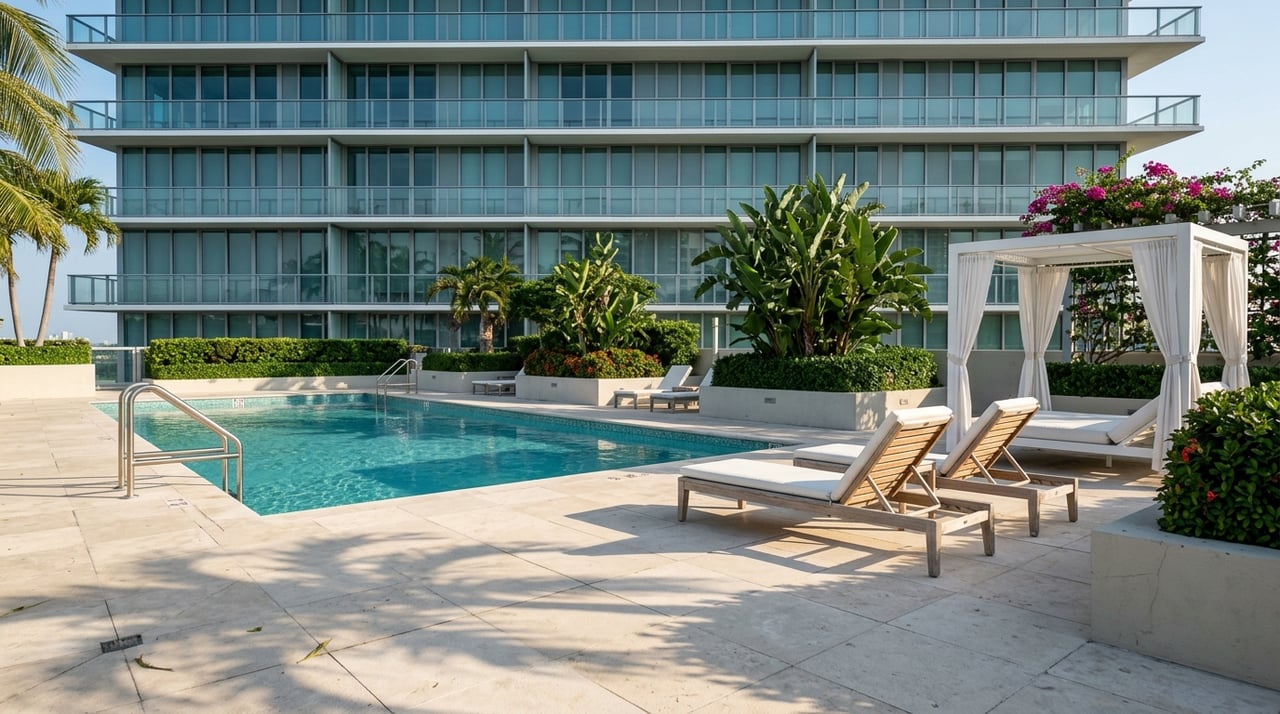
One of the biggest draws of Fort Lauderdale beach-area condo ownership is convenience inside the building itself. In newer towers, published amenities often include 24-hour valet, concierge, secure garages, private or semi-private elevator lobbies, guest suites, package rooms, club rooms, and on-site maintenance.
Some public building examples in the market also show how extensive these amenity packages can be. Features like pools, spa areas, fitness centers, bicycle storage, private dining areas, and staffed services can make a building feel almost like a private resort.
Lock-and-leave living is real
For many owners, especially second-home buyers or frequent travelers, this setup supports a true lock-and-leave lifestyle. You can travel without handling exterior maintenance, worrying about package security, or dealing with many day-to-day operational issues on your own.
That ease is one reason condos near Fort Lauderdale Beach appeal to buyers who want simplicity along with location. The building takes on many of the tasks that a standalone property owner would need to manage personally.
Condo due diligence matters in Florida
Lifestyle is important, but in Florida, building due diligence is just as important. The Florida Department of Business and Professional Regulation says many condominium and cooperative buildings with three or more habitable stories are subject to milestone inspections at 30 years and every 10 years after that, or 25 years in some local circumstances.
The state also says structural inspection reports and reserve studies are part of the association’s official records and must be provided to potential purchasers. For you as a buyer, that means the pool deck and lobby matter, but so do reserves, maintenance planning, and the building’s recordkeeping.
A good building is more than pretty
This is where condo-specific guidance becomes especially valuable. A well-run building is not only attractive and amenity-rich. It also has a clearer maintenance record, a more sustainable reserve plan, and documentation that helps you understand future risk.
If you are comparing condos near Fort Lauderdale Beach, this is often where the real difference appears. Two towers may offer similar views, but their long-term ownership experience can feel very different.
Seasons affect how you live
Fort Lauderdale’s climate is a major part of the ownership story. Florida Climate Center normals show average highs of 75.6°F in January and 90.5°F in August, with lower rainfall from January through April and heavier rainfall from May through October.
NOAA defines Atlantic hurricane season as June 1 through November 30. In practice, that means winter and early spring are usually the easiest months for long walks, outdoor dining, and frequent beach time, while late spring through fall often brings hotter afternoons, more rain, and closer storm awareness.
The best season depends on you
Some owners love the high-energy winter pattern, when outdoor events and waterfront dining feel effortless. Others are comfortable with a slower summer rhythm and simply plan around heat and rain.
Either way, seasonality is part of the ownership experience. It shapes how often you use your balcony, pool deck, walking paths, and outdoor amenities throughout the year.
What ownership often comes down to
In the end, owning a condo near Fort Lauderdale Beach is usually about choosing the version of coastal living that fits you best. Downtown and Las Olas offer restaurants, culture, and transit connections. The Intracoastal and New River lean into boating and movement on the water. Beachfront and A1A bring the closest connection to the sand and a more resort-style feel.
If you are buying, the right question is not just, “Do I want to live near the beach?” It is, “What kind of beach-area life do I want, and which building supports it well?” If you are selling, understanding that distinction can also help position your condo more clearly for the right buyer.
When you want guidance that goes beyond surface-level marketing and gets into how a condo building actually lives and operates, working with a condo-focused advisor can make the process much clearer. To explore Fort Lauderdale condo opportunities or prepare your property for the market, connect with Leonor Ortiz.
FAQs
What is daily life like in a condo near Fort Lauderdale Beach?
- Daily life often revolves around the waterfront, with easy access to beach walks, outdoor dining, boating, downtown events, and public outdoor spaces.
What is the difference between Downtown, Intracoastal, and beachfront Fort Lauderdale condos?
- Downtown and Las Olas feel more urban and culture-focused, the Intracoastal and New River areas are more boating-oriented, and beachfront condos offer the closest access to the sand and resort-style living.
Is Fort Lauderdale Beach condo living walkable or car-dependent?
- Many areas are easier to navigate without a car than buyers expect, thanks to Water Taxi, LauderGO Water Trolley, Community Shuttle routes, bikes, and transit connections.
What amenities are common in Fort Lauderdale beach-area condos?
- Many newer buildings offer features like valet, concierge, secure parking, package rooms, fitness centers, pools, club rooms, and on-site maintenance.
What should buyers review before buying a Fort Lauderdale condo?
- Buyers should review association records such as structural inspection reports, reserve studies, and the building’s overall maintenance and financial planning.
How do seasons affect condo living near Fort Lauderdale Beach?
- Winter and early spring are usually the easiest months for outdoor living, while late spring through fall often bring hotter weather, more rain, and hurricane season planning.