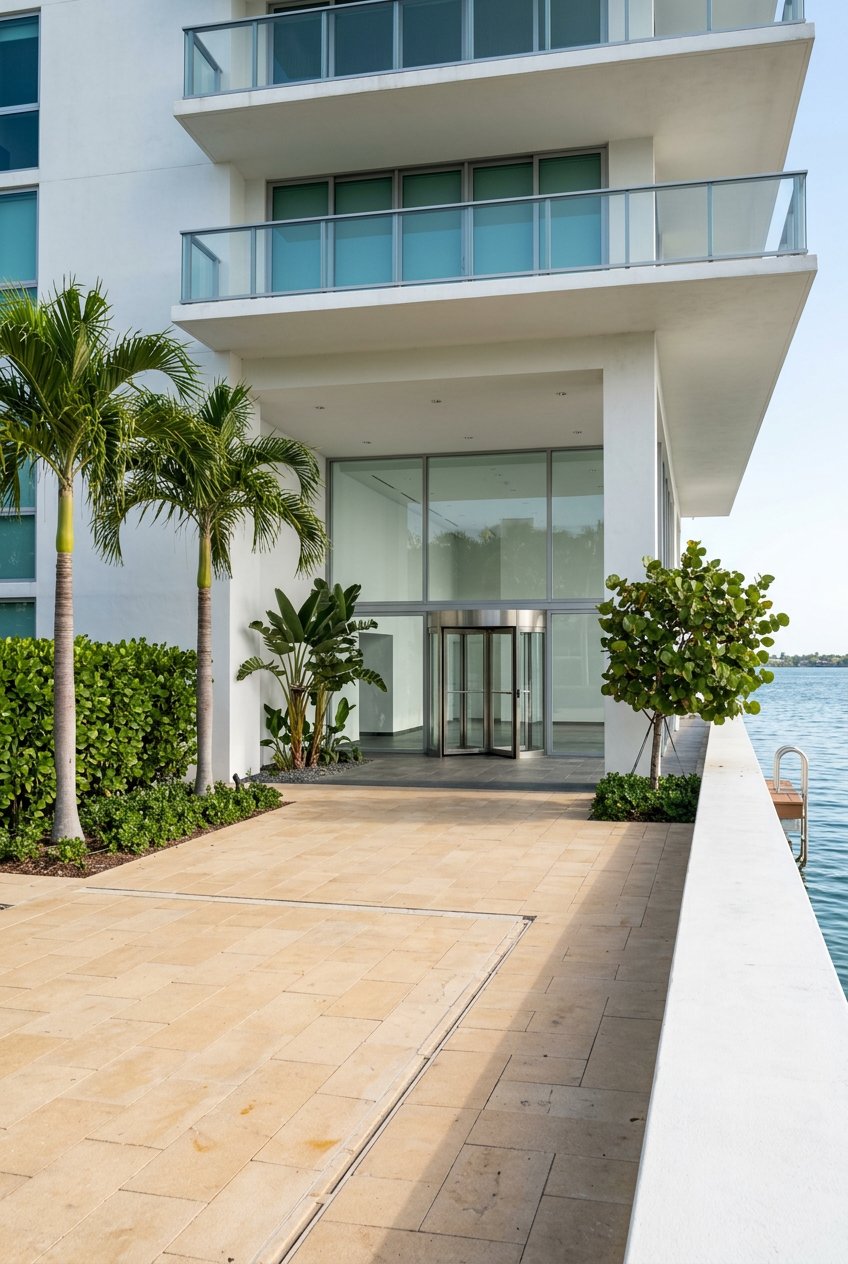
Breakfast on your balcony, a short elevator ride, and you’re at the dock with coffee in hand. If you picture that kind of easy, on‑the‑water routine, Fort Lauderdale makes it real. You get a city built around canals, marinas, and waterfront condo living, plus year‑round boating culture and lively dining near the water. In this guide, you’ll learn where the lifestyle shines, what condo and marina features to look for, and the practical checks that make a smart purchase. Let’s dive in.
Why boaters choose Fort Lauderdale
Fort Lauderdale is often called the “Venice of America” for its canals and marine services. The marine industry here is a major regional economic engine, which supports a deep network of marinas, service yards, and specialists that keep boats moving and owners happy. You see that scale citywide, from day boats to superyachts, and it is a big reason the condo‑plus‑boat lifestyle works so well here. For context on the industry’s footprint, the Marine Industries Association of South Florida highlights the sector’s significant impact across Broward County.
Each fall, the Fort Lauderdale International Boat Show energizes the waterfront with new models, gear, and events. It also signals how central boating is to daily life here. You’ll feel it again during the holidays when canals glow with the Winterfest Boat Parade, a local favorite that weaves through downtown and the Intracoastal. You can preview both on this annual yacht shows roundup.
Pick your waterfront corridor
Different waterfront areas offer different tradeoffs. Most buyers zero in on one of these corridors based on boating needs and on‑land lifestyle.
Oceanfront: Fort Lauderdale Beach
You get beach‑forward living and sunrise views. Towers here often read newer and more resort‑style, with a higher price per square foot and direct beach access. You trade a bit more exposure to open‑water conditions for the ease of sand‑to‑sea living and walkability to beachfront dining.
Intracoastal and Las Olas
This corridor blends marina access with city energy. Las Olas Boulevard and Riverwalk are anchors for restaurants, galleries, and nightlife near many waterfront buildings. The area also gives you straightforward runs to the ocean via nearby inlets and wide cuts. Get a feel for these hubs in this local guide to what’s new and noteworthy.
New River and Marina Mile
You’ll find working marinas, refit yards, and condo options close to service pros. If you plan regular maintenance or run a larger vessel, this proximity is a plus. Expect some no‑wake stretches and drawbridges that factor into travel time to the inlet.
Residential canals and point lots
These stretches can deliver privacy and dockage right outside your building, with calmer water. Depth, tidal swing, and bridge clearance can vary by canal, so confirm channel depth and route details during due diligence. If “zero‑bridge to the ocean” is essential, verify it early with your agent.
Condo and marina features that matter
If you want a true yacht‑in/yacht‑out routine, focus on buildings and marinas that support it.
- Slips: Deeded or assigned wet slips, guest slips for visitors, and clear rules on use. Some boutique condos advertise private slips and services, such as Harbors Edge in Fort Lauderdale.
- Power and water: Shore‑power hookups sized to your boat, fresh water at the slip, dock boxes, and secure gate access.
- Services: On‑site pump‑out is a bonus, but most buildings rely on nearby marinas for fuel and major work. In Fort Lauderdale, full‑service yards and haul‑out options are nearby for routine refits and repairs.
- Staffing for lock‑and‑leave: A staffed lobby, dock access control, and relationships for housekeeping or boat checks make seasonal use smoother.
For seasonal or visiting boats, many owners pair a condo with a slip at a commercial marina. The Bahia Mar Yachting Center is a central option with ocean access and a marina village setting.
Getting around on the water
Water‑based transit is part of the appeal. The Water Taxi connects key stops along Las Olas, the Intracoastal, and the beach so you can explore without a car. It runs frequently with posted routes and stops, which is great for dinner nights, gallery walks, and beach days.
Bridges matter, too. Drawbridge schedules and no‑wake zones can add time to your runs, especially on the New River. Check published opening rules in the federal regulations for Broward bridges to plan runs around scheduled windows. You can review the local rules in the CFR drawbridge section.
Signature boating events
Two annual moments shape the calendar for many owners:
- Fort Lauderdale International Boat Show: One of the world’s largest in‑water shows, with yachts, gear, and industry pros converging across marinas and venues. See highlights in this annual yacht shows overview.
- Winterfest Boat Parade: A festive, illuminated parade that draws crowds to canal banks and waterfront restaurants. It’s a classic way to experience the city’s canals in holiday mode.
Safety, codes, and insurance essentials
Waterfront living is rewarding, but you should understand how Florida’s rules and local conditions shape building operations and owner costs.
Milestone inspections and SIRS
Florida now requires “milestone” structural inspections for qualifying condo and co‑op buildings, along with non‑waivable Structural Integrity Reserve Studies for critical components. These rules especially affect older waterfront buildings and can lead to repair programs or special assessments. Read an accessible overview in this Florida milestone inspections guide.
High‑Velocity Hurricane Zone standards
Fort Lauderdale and Broward County sit in Florida’s HVHZ. That means stricter building code requirements for impact‑resistant openings and structural elements when you replace or permit major work. Local departments enforce these standards; you can explore permit and code resources via the Broward County Building Division.
Flood risk and resilience planning
The city and county invest in seawalls, pump stations, and drainage upgrades to manage storm surge and heavy rainfall. Long‑term sea‑level planning is active as well. If you are close to the water, check FEMA flood maps, elevation data, and local plans. Broward’s approach is outlined in the Resilience Plan.
Insurance and HOA responsibilities
Condo associations carry a master policy; you are typically responsible for an HO‑6 policy covering interiors, personal property, liability, and loss‑assessment coverage. The master policy type matters for your exposure. Learn the basics of what the law requires in this Florida condo insurance overview. Always request the association’s current declarations and hurricane deductible details before you commit.
Budgeting for waterfront living
Monthly dues in waterfront buildings vary based on age, amenities, insurance, staffing, reserves, and any marina operations. Amenity‑rich or older buildings with active repair programs can sit at the top end of the range. To get a clear picture, request the most recent budget, reserve schedule, and any special assessment notices. Minutes often hint at upcoming projects, so read the last year of meeting notes before you write an offer.
Buyer checklist: make it seamless
Use this quick list during early due diligence so your condo and boat plans line up.
Slip status. Is a wet slip included with the unit? Is it deeded, assigned by the association, or leased from a partner marina? Ask for the slip agreement and rules.
Route to open water. How many bridges stand between your slip and the inlet? What are the bridge opening times and channel depths? Confirm by reviewing the CFR drawbridge rules and local charts.
Service and fuel. Identify the nearest fuel docks, pump‑out options, and full‑service yards for haul‑outs and refits. Do not assume the condo dock handles major work.
Flood zone and elevation. Ask for an elevation certificate and have your agent run FEMA FIRM maps so you can price flood insurance accurately.
Insurance details. Request the association’s master policy declarations, hurricane deductible, and the most recent renewal terms. Confirm your HO‑6 coverage needs using the Florida condo insurance guidance.
Milestone/SIRS status. Has the building completed its milestone inspection or Structural Integrity Reserve Study? Review any engineer reports and planned repair timelines. Start with this statewide overview of the requirements.
HOA minutes and reserves. Read the past 12 months of minutes, the reserve schedule, and any special assessment notices for clues on costs ahead.
Dock rules and fees. Clarify guest‑slip rules, overnight limits, and electricity/water charges at the slip. Ask about separate dockage or maintenance fees.
Lock‑and‑leave support. Confirm concierge hours, security for docks, and whether staff can coordinate boat checks or vendor access when you are away.
Lifestyle fit. Balance proximity to Las Olas dining and beach days with your preference for privacy and quiet. Try the Water Taxi during your tour to experience daily rhythms from the water.
Ready to zero in on the right building and slip plan for your boat? Get guidance tailored to your goals, including a deep review of association health, insurance, and route logistics. Connect with Leonor Ortiz to start your search with a condo specialist by your side.
FAQs
Can I keep my boat at my Fort Lauderdale condo?
- Sometimes. It depends on the building. Some units include a deeded slip, while others offer assigned slips or none at all. Always confirm legal slip status and rules in writing.
How do bridge openings affect my boating routine?
- Drawbridge schedules control timing along the Intracoastal and New River. Plan around posted opening windows and no‑wake zones to estimate runs to the inlet.
Will I need flood insurance for a waterfront condo?
- Likely if a lender is involved and the property is in a mapped high‑risk flood zone. Premiums vary by elevation and building factors. Get quotes early based on an elevation certificate.
Are waterfront HOA dues higher than average?
- Often, yes. Windstorm and flood exposure, marina operations, staffing, and reserves can push dues higher in many waterfront buildings. Review the specific budget, reserves, and upcoming projects.
What condo features make lock‑and‑leave easier?
- Look for staffed concierge, secure dock access, guest parking, storage for gear, and nearby fuel/pump‑out. Buildings with organized vendor access simplify seasonal use.